

I almost lost it in the frozen food aisle last week. Some woman was fighting about politics on speakerphone. A kid was melting down over Popsicles. My hands were shaking so bad I dropped a bag of peas. For a second, I wanted to scream. I wanted to run. Instead, I just stood there, heart pounding, thinking: “How did we get here?”
If you know that feeling—like you’re about to snap, and so is everyone else—this is for you.
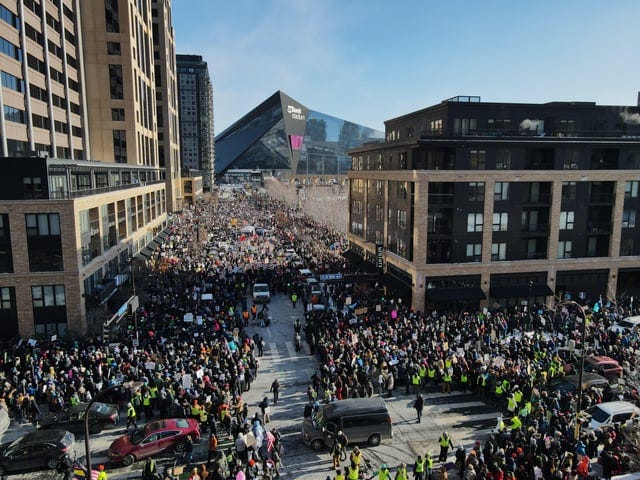
Because let’s stop pretending: it’s not just you. The world’s on edge. The news is a stress machine. Social feeds? Outrage on tap. Doesn’t matter if you’re in Wisconsin, Minnesota, or Mars—we’re all running on fumes. Politics, money, war, trauma, algorithms, you name it—everything’s gasoline on the fire, and nobody gets to opt out. Doesn’t matter what side you’re on. We’re all in survival mode.
The “Us vs. Them” Scam
Here’s the truth: our division isn’t an accident. The media, the algorithms, the whole damn system profits off making us enemies. They keep us hooked on adrenaline and anxiety, and then try to sell us the cure. The “other side” isn’t your real enemy. The enemy is the stress, the division, and the lie that you’re alone in this mess.
I don’t care how you vote. I care that you’re human, and you’re hurting. You deserve better than this.
Why You Feel Like You’re Losing It: The Science
Chronic stress rewires your brain. The American Psychological Association’s 2025 Stress in America report says more than 75% of adults have physical symptoms of stress—headaches, muscle tension, insomnia, anger, hopelessness. You’re not “crazy.” This is what happens when your nervous system is always braced for the next explosion. (That’s called “hypervigilance.”)
Long-term, this messes with your heart, your immune system, your relationships. It steals your life. And “just think positive” is not a cure.
Evidence-Based Mindfulness (Minus the Bullshit)
Forget spa days and mountain retreats. Mindfulness isn’t about “finding your center.” It’s about surviving the next hour, the next conversation, the next panic spiral. Every tool I list here is backed by clinical research or real-world recovery practice.
5-4-3-2-1 Grounding Drill:
When you’re spiraling, name 5 things you see, 4 you can touch, 3 sounds, 2 smells, 1 taste. This technique is recommended by trauma therapists and the Anxiety and Depression Association of America because it works—grounding you in the present moment, not the tornado in your head.Box Breathing (4-4-4-4):
Inhale 4, hold 4, exhale 4, hold 4. Repeat. This isn’t just for yogis—Navy SEALs use it to lower stress before combat. Studies show it activates your parasympathetic nervous system, lowering heart rate and blood pressure. (Reference: Harvard Health)Sixty-Second Reset:
Step away from the screen. Splash water on your face. Look outside. Stretch your jaw. Research says micro-breaks reduce cortisol and improve mood—something most Americans desperately need. (Reference: APA)
CBT In the Real World: Flip the Script
Cognitive Behavioral Therapy isn’t just for therapy offices. It’s about catching your brain when it’s lying to you (“Everything’s ruined. I can’t handle this.”) and challenging that thought.
Write down the worst-case scenario. Then: What’s the best? What’s the most likely? Where’s my evidence?
The National Institute for Health and Care Excellence (NICE) and Mayo Clinic both recommend this approach to disrupt catastrophic thinking and anxiety spirals.
You can’t control the next crisis, but you can control your next thought, your next breath, your next small action. That’s your power.
Empathy is a Survival Tool (Not a Weakness)
Empathy isn’t about agreeing with people. It’s about remembering the people you disagree with are just as scared, tired, and frayed as you are. Practicing empathy actually lowers your own stress hormones and increases resilience (see: Harvard Medical School).
Try this: when you feel yourself triggered by someone, ask, “What pain is behind their anger?” Even if you never agree, it softens the blow—for them and for you.
The Cost of Not Trying
If we let the world keep us tense, divided, and on edge, the cost is more than just anxiety. It’s lost friendships, broken families, health problems, burnout, and despair. We can’t afford to keep tearing each other apart. We need each other, even when we disagree. Especially when we disagree.
Real Voices, Real Struggles, Real Wins
“I kept losing it with my kids, then tried the 5-4-3-2-1 hack. It actually snapped me out of a panic spiral. Not perfect, but it helped.”
“Box breathing seemed dumb until I realized I hadn’t taken a real breath all day. Now I do it before big meetings and it works.”
“I wrote down my worst-case thought and challenged it. My brain was lying to me—I wasn’t actually in danger. I felt lighter.”
(If you want to share your story or tip, drop it in the comments. We’re all figuring this out together.)
One Brave Thing: A Challenge
Here’s my ask. Try one of these tools—just one. Next time you feel yourself about to snap, use it. Then check in with someone—anyone. Someone you disagree with, someone you love, someone you haven’t talked to in a while. See what happens when you reach out instead of shutting down.
If you want to go further, print this out. Stick it on your fridge. Share it with someone who needs it. Progress is progress, even if it’s just not screaming at the TV tonight.
More Resources for When It’s Too Damn Much
Final Word
You’re not alone in this. I’m right here, fighting the same battle. Let’s keep tearing down the walls, one honest conversation at a time. One day, one breath, one tiny act of defiance—progress is progress.
And if you’ve got a tool that works, or a story you’re brave enough to share, I want to hear about it. No shame, no bullshit—just humans trying to survive, together.
Your piece really resonates with me here, Belle. I appreciate how you distinguish between the chaos we can’t control and the inner terrain we’re still responsible for tending. Survival in times like these often isn’t about disengaging from the world, but learning how to stay regulated and humane within it. Naming that internal work feels both honest and necessary.🫶