
Process Addictions: The Invisible Chains Hiding Under 'Just a Bad Habit' – Why Your Brain Chases the Wrong Fixes

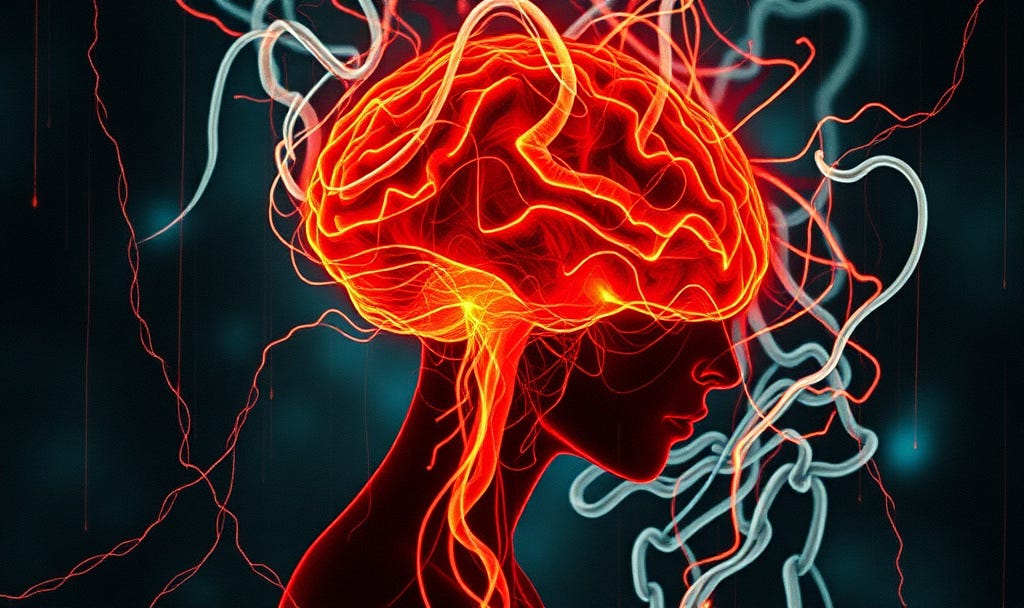
Addiction doesn’t always look like alcohol, drugs, or cigarettes. Sometimes, addiction looks like staying on Instagram until 3 a.m. Sometimes, addiction looks like checking one more stock after the market closes. Sometimes, addiction looks like working at your desk while everyone else goes home at night.
Welcome to process addiction, also known as behavioral addiction. As the name implies, it’s the process itself that becomes addictive.
At Progress Is Progress, we always say addiction is a symptom of something much deeper. The behavior isn’t the problem. Addiction is caused by our unmet needs and unhealed wounds. Our nervous systems are constantly screaming for dopamine, numbing substances, control, connection, esteem… things we never learned how to give ourselves in a healthy way growing up.
The substance might change, but your brain is still chasing that same white whale:
Dopamine
Escape
Control
Connection
Esteem (etc.)
Let’s take a look at what a “process addiction” really looks like and how substances and processes overlap.
(Note: For more science-y language around how substances and behavioral health disorders overlap, check the comment section or ask me. There were some great reviews on this topic from late 2024 and early 2025, published in the American Journal of Psychiatry—I’ll share the references. Neuroimaging shows many of the same changes to the brain, etc.)
What the Hell Is a Process Addiction, Anyway? (Helpful Metaphors for Understanding Clients)
Think of your brain like an old wood stove in a cabin you rented in the Northwoods. It needs something to burn to keep you warm. Meth and vodka are like throwing gasoline on the fire—instant reward, super intense burning that quickly destroys everything around it. Process addictions fuel that fire one stick at a time (“Justified” style): online shopping, Netflix binge-watching, betting at the casino, porn, working all night, going to the gym until you pass out, taking care of every boyfriend/girlfriend/problem in existence until you have NOTHING LEFT TO GIVE. You feel like you’re being productive, or that it’s not THAT bad because you’re “not hurting anyone” with these habits.
But then that fire burns down the whole damn house.
Another way to think about it:
Your nervous system is your smoke detector. It’s been triggered over and over again by traumatic experiences growing up—stress, anxiety, codependency, toxic relationships, the daily grind. Things we were never taught how to process or deal with. Instead of fixing your smoke detector (dealing with the deeper issues), you wave a lighter under it to “prove” it still works, or you blast music so you don’t have to hear it go off anymore. Your smoke detector keeps going off, but now you’re addicted to covering it up.
Process addictions include:
Gambling addiction: slot machines, betting on sports, horse racing
Shopping addiction: online shopping, clothes, furniture, thrift stores
Work addiction: hustle culture, chasing the wizard, keeping busy
Sex/porn/love addiction: seeking validation, connection through “helping”
Gaming/internet addiction: YouTube, streaming, scrolling social media
Food/addiction: exercise, eating, restricting
Sound familiar?
Here’s what these are NOT:
Weakness
Poor life choices
Lack of willpower
(OK, that last one—your brain looking for a hit—is part of it, but instead of thinking of yourself AS the problem, think of your brain doing what it’s supposed to do in an abnormal world. Your brain craves reward and avoids pain. That’s what it’s evolved to do. When we pile abuse on top of primal mammals stuck in a modern world full of giant dopamine machines… you get addiction.)
When Does a Habit Become a Problem? (Breaking it Down Into Real-Life Terms)
Diagnostically, mental health clinicians operate from a similar framework as substance use disorders because the brain reward, compulsion, and loss of control pathways overlap so significantly.
You don’t need an official DSM diagnosis to have a substance use disorder, and you don’t need one to have a process addiction if it’s ruining your life (though gambling disorder is officially in the DSM-5 under the chapter “addictive disorders.” BINGO! Some others, like internet gaming disorder, are highlighted for further study.)
For those of you looking for a quick and dirty way to explain this to your client (or yourself): Relationships. That’s all addiction is—an unhealthy relationship with something that offers temporary reward.
Here’s a version of the continuum that actually made sense to clients when I explained it:
You start dating this person.
It’s fun and exciting at first.
They don’t seem like EVERYTHING.
Preoccupation/Salience: Ohhhh, I keep thinking about this person when I’m supposed to be working/focusing/spending time with my kids.
Tolerance: I need to see more of them to feel normal. Spend more hours scrolling, place higher risk bets, etc.
Withdrawal: I get irritated, restless, depressed, or anxious when I try to stop.
Loss of Control: I tried to “just read the news for 10 min” or “only buy one more thing” but couldn’t.
You keep seeing them even though they:
Ignore you when you’re talking
Lie through their teeth
Say bad things about you behind your back
Empty your bank account
Make you gain or lose weight
Make you skip work
Stole the remote last Tuesday
Yeah, but you still love them.
Neglect of other relationships: You start to cancel on friends. You don’t see family as much. Work becomes your life.
Then one day they cheat on you with harder substances:
Money problems = Alcohol
Sleep issues = Prescription pills
Gaming/betting becomes drug dealing
Whatever happened with substances substitutes and overlaps with processes. So if you stop drinking, you might start using food, gambling, sex, or work to fill that hole. Or some combo. It’s called “multi-addiction” for a reason.
Think of recovery like the abstinence version of Hotel Transylvania. Sometimes you sleep there. Other times, it moves. Substance-free doesn’t mean process-free.
The Old:
Drink
Coffee
Porn
Food
Check out the new distractions hitting you up at the bar:
Social media
Work
Gaming
Relationships
Food… (HI AGAIN!)
Why do some substance users get sober and suddenly become workaholics, binge eaters, or doomscrolling addicts? Recovering addicts and alcoholics are just as susceptible to process addictions as the general population. Why? Because the underlying traumas, internal voids, and nervous system dysregulation are still there. Your brain just found a new way to self-medicate.
What happens when you retire and you’ve identified as a “worker” your whole life? Suddenly, you have all this free time.
Here’s a real example: When I stopped working so much, I thought I’d just relax. Instead, I found myself obsessively organizing every closet in the house, offering to help every neighbor with their yard work, and scrambling for something to fill that space. Next thing you know, I was burned out from taking care of everyone else instead of actually resting or dealing with my own stuff.
Sound familiar?
We don’t magically fix our core issues because we stop doing one unhealthy behavior. Recovery is about rewiring our nervous systems and learning to self-soothe, long term.
PS: Recovering addicts don’t just swap substances for behaviors.
What happens when your behaviors don’t provide enough reward? You numb with substances.
You can start with behaviors and crash into substances. Or start with substances and swap for behaviors.
The beauty of working on the underlying trauma, codependency, belonging injuries, and teaching people how to rewire their nervous system response is: It works for both.
Why should professionals care? Break this down for your clients!
Isolation. Addiction of any kind loves shame and whispers in your ear that you’re alone. By normalizing and naming process addictions, you can begin to dissolve that shame. The “I have a problem” part is usually the first step.
Finding better metaphors: Professionals love their pop psychology, but jargon doesn’t always connect with clients (hello, trauma brain!). These metaphors are easy to understand and can help your clients SEE what you’re trying to explain.
Subbing and switching: As above. Educate yourself and your clients on how this happens so you can both catch it moving forward.
Stop just helping people—start HELPFULLY coaching and educating clients along their recovery journey.
Want to keep learning more about “why does my boyfriend do that?!” type stuff?
Message me or comment below and we’ll start a little free study group. I’ll be diving into nervous system overwhelm triggers, self-sabotage, interpersonal boundaries, and family boundaries/codependency in recovery next.
Already took the first free call? Submit a question for upcoming episodes here!
PS: Want to dive deeper into all of this with me one-on-one?
Book a free intro call and see if we’re a good fit together (first session free at ProgressIsProgressLLC.com). Or subscribe for free and get the next series on nervous system triggers sent straight to your inbox.
Progress IS progress… even if it’s making little baby steps away from buying shoes online at 2 a.m.
Great article, myself, I call them cross addictions.
I stopped many things, alcohol for example then would work out/exercise. Sure, sounds healthy, right. Only if wasn't because it was very excessive and I wasn't resting my body at all to recover.
I used to constantly look for some type of dopamine high. Anything to get out of my own state if mind.
It's been alcohol, drugs, and cigarettes; the obvious ones. Then there was food, sex, relationships, over exercising; anything that felt good I at some point probably over indulged.
Yes, I have a history of C-PTSD. I could not maintain any recovery and be truly happy until I did the deeper inner work on all of my traumas. I sometimes call it the shadow work as I really had to look at myself and all of my insecurities, my ego.
Once I realized why I was the way I was, in survival mode, and recognized I did the best I knew how, to survive, I then was able to also learn forgiveness of myself.
There is a lot of shame tied into addictions because we know what we are doing, most of the time, and that it is harmful to us but we do it anyways. And worse, become other people controlled by getting that next fix.
Today, I am not shameful. I tell my story, not for pity but to inspire, give hope, and let others know that it is NOT their fault and that they are not alone.
I will be a voice for those without one, for whatever reason, until they are ready to have their own. And hopefully it won't be too late
Thanks for this well written piece
I think we tend to pick the "socially acceptable to talk about" addictions first and try to not talk about the others because we make moral judgments even in Recovery.