

Addiction isn’t just a bad habit or a lack of willpower. It’s a disease that rewires your brain, hijacks your chemistry, and traps you in cycles of craving and relapse. Breaking free takes more than just determination—it needs tools that work with the biology of addiction, not against it.
In 2026, those tools are evolving faster than ever. Science and technology are stepping up to offer real hope—not just for managing addiction but for transforming recovery into something more achievable, more sustainable.
Here’s the raw truth about what’s new and why it matters.
Medications That Do More Than Mask Symptoms
For decades, addiction meds have been limited. Methadone and buprenorphine helped with opioids, naltrexone offered some relief, but many people still struggled with overwhelming cravings and lapses. Now, a new class of medications, originally designed for other health issues, is showing promise in addiction treatment.
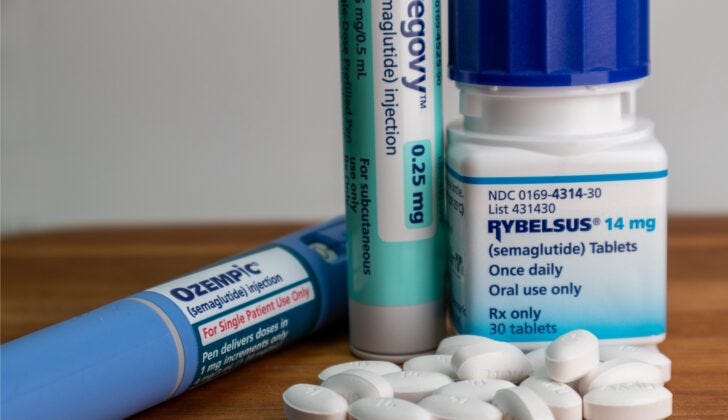
GLP-1 medications, which were first developed to treat diabetes and obesity, are emerging as powerful tools against alcohol and opioid cravings. But what the heck are GLP-1 meds, and why should you care?
GLP-1 stands for glucagon-like peptide-1. Think of it as a hormone your body uses to regulate blood sugar and appetite. When you eat, GLP-1 tells your brain, “Hey, you’re full—no need to keep eating.” Scientists discovered that this hormone also has a hand in controlling the brain’s reward system—the same system addiction hijacks to keep you hooked.
Here’s the kicker: by boosting GLP-1 activity, these meds can dial down the intense cravings and compulsions that make quitting so damn hard. It’s like turning down the volume on that relentless inner voice screaming for a fix.
Think of it like this: addiction cranks your brain’s craving dial to 11. GLP-1 meds don’t cut the power, but they slide that dial back down to a manageable level where you can think clearly again.
Clinical trials back this up. People using GLP-1 meds report fewer cravings for substances like alcohol and opioids. One study showed a significant reduction in drinking days and cravings among people treated with these drugs. While it’s not a magic bullet—no pill is—it’s a promising new weapon in the fight.
On the ground, folks on GLP-1 meds describe feeling less trapped by cravings, more in control of their choices. Side effects can include nausea or upset stomach at first, but many find these fade with time. And because these meds target the brain’s chemistry differently than older treatments, they offer a fresh approach when nothing else has worked.
This is the kind of innovation that shifts the odds—not overnight miracles, but steady help that can change the trajectory of recovery when paired with therapy, support, and life changes.
A Real Story: Finding Control with GLP-1
Take Jake, a 34-year-old who fought alcohol addiction for years. After multiple relapses, he started a GLP-1 medication as part of his treatment plan.
“The cravings didn’t disappear overnight, but it was like the noise dialed down,” he says. “I could finally think clearly about my choices instead of feeling like I was just reacting to urges all the time.”
Jake still works hard every day, but that extra support made a difference no pill ever did before.
Long-Acting Implants: Consistency Without the Hassle
One of the biggest hurdles in recovery is staying consistent with medication. Pills can be missed, refills forgotten, and slips happen. That’s why implants that release medication gradually over months or even a full year are a huge step forward.
Imagine having a small device under your skin that delivers a steady dose of a drug like naltrexone without daily upkeep. No pills to remember, no doses to skip. This consistency means fewer chances for cravings to sneak back in and derail progress.
Early adopters of these implants report feeling more stable and less anxious about their recovery. It’s not just convenience—it’s a lifeline.
Artificial Intelligence: Watching Your Back
Technology has long been behind the scenes in healthcare, but AI is now stepping into the spotlight in addiction recovery. Machine learning algorithms can analyze massive amounts of data—from mood patterns to social interactions—to predict when someone might be at risk of relapse.
This kind of predictive power means interventions can happen before a crisis hits. Imagine a system that notices your stress levels spiking or your support network weakening and sends a nudge or connects you to help automatically. It’s like having a guardian angel who doesn’t sleep.
This is still in early stages, but clinics and rehab centers are beginning to pilot AI tools that help counselors tailor treatment plans in real-time based on what the data reveals about each person’s unique triggers.
Virtual Reality: Training Your Brain for the Real World
Facing cravings head-on can be terrifying. What if there was a way to practice resisting temptation without the real-world risks? Enter virtual reality (VR).
VR therapy lets people immerse themselves in simulated environments where triggers are recreated safely. Whether it’s a party, a stressful work situation, or a place tied to past use, you can rehearse coping strategies and build mental muscle without the danger of relapse.
Studies show VR can reduce cravings and improve confidence in handling tough situations. It’s like a flight simulator for recovery—a chance to train your brain before the real test.
Telehealth: Making Recovery Accessible
Access to treatment has always been a barrier—whether it’s distance, stigma, or scheduling conflicts. Telehealth tore down many of these walls, especially during the pandemic, and it’s here to stay.
Now, therapy, medication management, and support groups are often just a video call away. This convenience means people can get consistent care without uprooting their lives or facing judgment in waiting rooms.
For many, telehealth has been the difference between slipping through the cracks and staying on track.
What to Watch Out For
No treatment is perfect, and these new tools have their limits.
GLP-1 meds might cause nausea or stomach issues at first, and they aren’t FDA-approved specifically for addiction yet—though studies are promising. Access can be tricky; not every provider knows about or offers these options, and insurance coverage varies.
Long-acting implants sound great, but they require a minor procedure and commitment. AI and VR tools are still new, and not everyone will have access to them yet.
The key is to stay informed, ask questions, and remember that these tools are part of a bigger recovery picture—not standalone fixes.
GLP-1 Medications FAQ
Are GLP-1 meds approved for addiction treatment?
They’re currently FDA-approved for diabetes and obesity but are being used off-label and studied for addiction. Research is ongoing, and many experts are optimistic.
Will these meds cure addiction?
No medication cures addiction. GLP-1 meds help reduce cravings and support recovery but work best combined with therapy, support, and lifestyle changes.
What are the side effects?
Most common are nausea, stomach upset, or mild digestive issues that often subside after a few weeks.
Who should consider GLP-1 meds?
People struggling with alcohol or opioid cravings who haven’t found success with traditional meds or want additional support might benefit. Always discuss with a healthcare provider.
What This Means for You
If you or someone you love is struggling with addiction, these advances aren’t just headlines—they’re real tools that could change the course of recovery.
But here’s the deal: no medication or technology replaces the hard, daily work of healing. It’s not a magic fix. It’s support that makes that work a little easier, a little less lonely, and a lot more hopeful.
If you’re curious about these new options, talk to your healthcare provider or addiction specialist. Ask about GLP-1 meds, long-acting implants, or telehealth services. See if these tools fit your unique path.
If you’re in recovery, consider how technology might support you—whether that’s a VR program, an app that tracks your mood, or virtual support groups.
And if you’re just starting out, know that the landscape is changing. Help is becoming more personalized and accessible every day.
Reflect on This
What would it mean for your life if those cravings that haunted you lost their grip? What if the daily battle became a little less exhausting, and you could think more clearly about your next move?
These questions aren’t easy—but they’re worth asking. Because with science pushing forward, the possibility of changing your story is more real than ever.
Take Action Today
Reach out for a consultation to discuss new medication options tailored to your needs.
Explore telehealth platforms offering addiction counseling and support.
Connect with local or online support groups—consistent community is key.
Stay informed about emerging technologies like AI and VR that could supplement your recovery journey.
Recovery isn’t a straight line. It’s messy, painful, and often feels impossible. But with the breakthroughs happening now, that impossible can start to look like a real, reachable goal.
Progress isn’t about perfection. It’s about every step forward—even the smallest ones. And with new medicines and technology on your side, those steps can carry you further than ever before.
Resources to Explore
Share Your Story or Questions
What’s your experience with addiction recovery—medications, technology, or otherwise? What questions do you have about these new treatments? Hit reply to this post or email me at progressisprogress@substack.com. Let’s keep this conversation real and ongoing.
If you want more posts that cut through the noise and give real answers, hit subscribe at progressisprogress.substack.com. This is your space to get raw, real, and hopeful about recovery.