

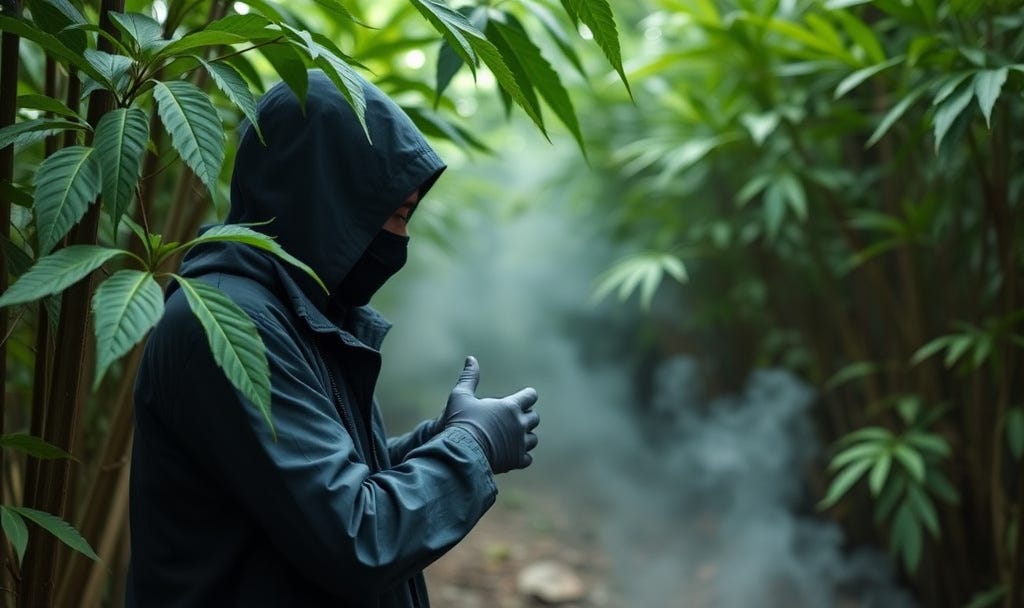
The Crazy Story That Blew the Lid Off Kratom
It was a headline that stopped me cold: “Man Dies After Mixing Kratom with Other Drugs, Family Blames ‘Gas Station Heroin’.” The story was tragic and messy, like most addiction tales—the desperation, the pain, the grief. A guy trying to get clean, caught in a web of substances, hopeful that kratom might be his lifeline, only for it to spiral out of control. His family, drowning in sorrow and confusion, turned to the media with rage, fear, and blame.
This isn’t an isolated case. Across America, headlines scream about kratom addiction surging, with phrases like “gas station heroin” grabbing headlines and hearts alike. But behind these dramatic stories are real people—people trying to survive, to manage pain, to find hope in a system that often leaves them nowhere to turn.
So before you buy into the scare tactics, let’s cut through the noise and get real about kratom—what it is, how it works, why it’s suddenly everywhere, and what the hell is going on with all this crackdown.
What the Hell Is Kratom?
Kratom (Mitragyna speciosa) is a tropical evergreen tree native to Southeast Asia—Thailand, Malaysia, Indonesia, and Papua New Guinea. Its leaves are the real deal: glossy green, oval-shaped, and packed with alkaloids that hit the brain hard.
For centuries, Southeast Asian communities have chewed kratom leaves or brewed them into tea for their stimulant and painkilling effects. Laborers used it to power through grueling days; elders used it to ease aches and mental fog. It was medicine, ritual, and daily fuel rolled into one.
In the West, kratom made a quiet entrance in the early 2000s, slipping into smoke shops, gas stations, and online stores, often sold as a powder, capsule, or tea. It quickly gained traction among people desperate for alternatives to prescription opioids or struggling with chronic pain and mental health issues.
Scientifically, kratom’s magic (and menace) comes from mitragynine and 7-hydroxymitragynine—alkaloids that bind to opioid receptors in the brain. This is why kratom can act as a stimulant at low doses and a sedative or painkiller at higher doses. It’s this dual personality that makes kratom so tricky—and so controversial.
“Gas Station Heroin”: Why This Label is Both Scary and Misleading
The “gas station heroin” label is a perfect storm of fear-mongering and oversimplification.
Sure, kratom hits some of the same brain receptors as heroin, but calling it heroin is like slapping the same label on coffee and cocaine just because they’re stimulants. The effects, addiction potential, and overdose risk are not the same.
This label is designed to stoke panic, justify harsh regulations, and scare away people who might otherwise benefit from kratom’s less intense opioid-like effects.
But it also feeds stigma, making it harder for people struggling with kratom dependence to seek help, and pushing the market underground where risks skyrocket.
And kratom doesn’t stand alone in gas station aisles. Other substances—synthetic cannabinoids, benzos, and even fentanyl-laced powders—have made appearances, each with their own dangers. But kratom’s unique blend of promise and peril makes it the poster child for this new wave of substance controversies.
The Crackdown: What’s Driving It and What It Means
Kratom’s rapid rise caught the attention of the FDA, DEA, and lawmakers. Over the past few years, reports of kratom-related ER visits, addiction cases, and even deaths have surged.
But a closer look reveals a complex picture. Many of the deaths involved multiple substances—alcohol, opioids, benzodiazepines—making it impossible to pin blame solely on kratom.
Still, pressure mounts to classify kratom as a Schedule I drug, lumping it with heroin and LSD. If that happens, kratom’s legal market would collapse overnight, and users would be forced to seek it illegally.
This crackdown isn’t just bureaucratic red tape. It threatens the hundreds of thousands who rely on kratom to manage pain, mental health, or opioid withdrawal symptoms—often because traditional medicine failed them.
The Cons of Kratom: What Can It Really Do?
Kratom isn’t a miracle cure. It can cause:
Dependence and addiction
Withdrawal symptoms (which can be intense)
Side effects like nausea, constipation, dry mouth, and sweating
Potential liver toxicity in rare cases
Interactions with other drugs that can be dangerous
It can also lead to cognitive fog, mood swings, and in extreme cases, psychosis. And because kratom products aren’t regulated, purity and dosage vary wildly—raising overdose risk.
The Deep Dive: Addiction, Dependence, and Withdrawal from Kratom
This is where the story gets gritty.
Dependence on kratom can develop silently. What starts as relief from pain or anxiety becomes a daily need. The brain adjusts, craving kratom’s effects just to feel normal.
Withdrawal from kratom is a slow, grinding hell for many. It’s not the immediate, fiery agony of heroin, but a persistent, gnawing discomfort that lingers.
Imagine waking up feeling like your body’s been run over by a truck—muscles aching, joints stiff, restless legs twitching like they’ve got a mind of their own.
Your mood tanks—irritability flares, anxiety spikes, and depression drags you down into a fog so thick it’s hard to breathe.
Nausea hits hard, sometimes with vomiting or diarrhea, shaking your body and draining your strength.
Sleep? Forget it. Insomnia claws at you night after night, until exhaustion becomes its own kind of torture.
Some people describe the withdrawal as a slow suicide—every day a little worse, the light at the end of the tunnel flickering.
And because kratom withdrawal isn’t widely recognized, many get stuck trying to quit cold turkey, with little medical support or guidance.
Who’s Using Kratom? A Deeper Look
This isn’t just a story about addicts or thrill-seekers.
Kratom users are veterans haunted by pain and PTSD, desperate for alternatives to opioids they can’t stand.
They’re chronic pain patients who’ve been failed by the healthcare system and want a natural option.
They’re people with anxiety, depression, or trauma who find kratom’s effects help them get through the day.
They’re folks trying to taper off opioids, who find kratom a less lethal, less stigmatized path.
They’re everyday people juggling work, family, and mental health, searching for relief where modern medicine falls short.
The Politics Behind Kratom: The War on Another Substance
If you’ve been around addiction and recovery, this story plays on repeat:
A substance emerges that helps people outside the medical-industrial complex. The system panics.
Media headlines scream. Politicians rush to ban. Federal agencies push for Schedule I status.
The voices of lived experience are drowned out by fear and moral panic.
Kratom’s crackdown isn’t just about public health. It’s about power, control, and maintaining a system that often overlooks or punishes the vulnerable.
What Does This All Mean for You?
If you use kratom, or know someone who does, the crackdown raises tough questions:
Will you lose access to something that’s helping you survive?
Will you be pushed back to riskier opioids or street drugs?
Will you face stigma, legal trouble, or medical neglect?
If kratom becomes illegal, many face withdrawal without support, increased overdose risk, and crushing despair.
The stakes are high. This isn’t just a plant—it’s a lifeline for some, a trap for others, and a symbol of a broken system for all of us.
The Good, the Bad, the Ugly, and the Beautiful
Kratom is all of these things.
It can save lives.
It can wreck lives.
It can offer hope.
It can cause pain.
It’s messy, complicated, and human.
And that’s why it matters so damn much.
The Bottom Line: Why This Conversation Can’t Be Ignored
Kratom exposes the cracks in addiction treatment, healthcare, and social support.
It forces us to reckon with how we handle pain, mental health, and survival.
It shows how fear and stigma can blind us to nuance and humanity.
Talking about kratom isn’t about choosing sides. It’s about demanding better answers, better care, and better respect for people’s lived realities.
What Can We Do? A Call to Action for Everyone
For people using kratom: Watch for signs of dependence. Seek support. Be honest with yourself.
For loved ones: Listen without judgment. Encourage honest conversations. Help find resources.
For professionals: Educate yourself on kratom’s complexities. Don’t dismiss or demonize.
For advocates and policymakers: Push for research, regulation, and harm reduction—not prohibition.
For communities: Create safe spaces for dialogue. Share stories that humanize, not stigmatize.
This is a moment to think bigger, act smarter, and care deeper.
Final Word to My People
If you’re reading this and kratom touches your life—whether you use it, love someone who does, or just want to understand—know this:
You’re not alone.
You’re not a statistic or a headline.
Your struggles are real. Your pain is valid. Your hope is worth fighting for.
We can get through this.
We can do better.
We can build lives beyond fear and stigma.
Keep showing up. Keep speaking out. Keep fighting for the real, messy, beautiful truth.
Your story matters.
References and Further Reading
U.S. FDA Kratom Updates: https://www.fda.gov/news-events/public-health-focus/fda-and-kratom
DEA Kratom Information: https://www.dea.gov/factsheets/kratom
American Kratom Association — Advocacy & Research:
https://www.americankratom.org/
National Institute on Drug Abuse: https://www.drugabuse.gov/publications/drugfacts/kratom
“Kratom Use and Mental Health: A Review of the Literature,” Journal of Psychoactive Drugs, 2020
“Withdrawal Symptoms in Kratom Users,” Substance Abuse Treatment, Prevention, and Policy, 2019
Harm Reduction Coalition: https://harmreduction.org/issues/kratom/
If this piece hits home, or you want to share your kratom story, questions, or insights, join the conversation at the Progress is Progress SKOOL Community. Real talk, real people, real recovery.