

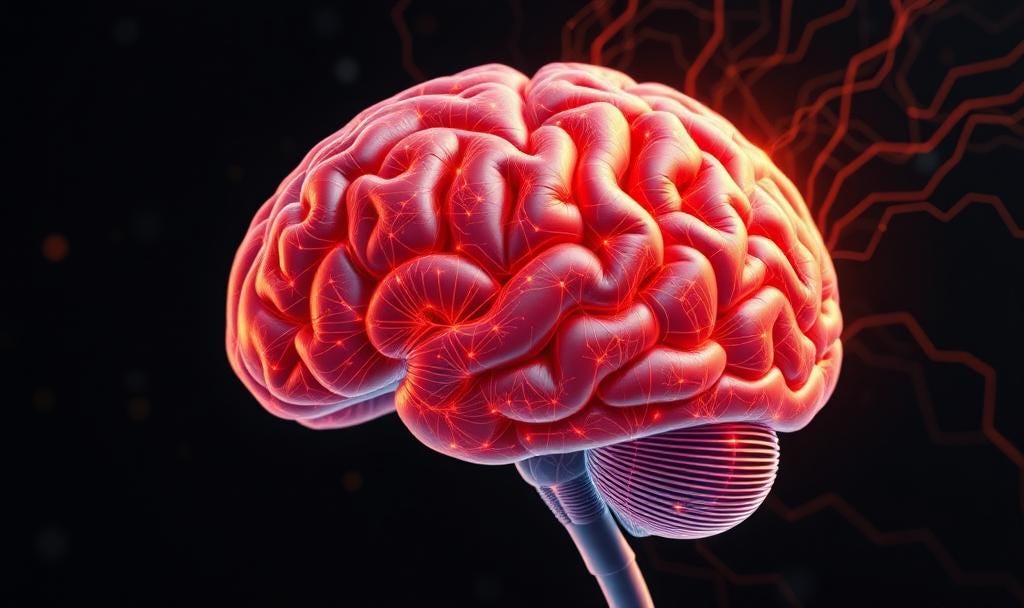
Ever wish your brain came with a “reset” button? Like, one big red button you could smash and suddenly all the bad habits, cravings, and mental fog just disappear? Yeah, me too. But here’s the kicker: your brain actually does have a way to hit reset. It’s called neuroplasticity—a fancy term for your brain’s incredible ability to rewire itself, especially after addiction has wreaked havoc. And no, it’s not magic, but it’s close enough.
If you’re anywhere in the messy trenches of recovery, this is the best news you might hear all day. Your brain isn’t broken beyond repair. It’s just... temporarily confused and stubborn. And with the right moves, you can teach it new tricks.
What Happens to Your Brain During Addiction
First, let’s get friendly with what addiction actually does to your brain—without turning into a neuroscience lecture. Think of your brain like a city with a complex road system. Addiction is like a sudden traffic jam caused by a rogue parade that nobody invited but everyone’s stuck behind.
When you use substances, your brain’s reward system floods with dopamine—the chemical that screams, “Hell yeah, do that again!” This isn’t just about feeling good. It’s your brain’s way of marking something important to survive, like food or sex. But drugs and alcohol hijack this system, making your brain put everything else on mute except for the “party” it just experienced.
Over time, the brain starts rewiring itself to crave the substance more and more, ignoring other rewards. The roads leading to your favorite addictive behavior become the highways, while paths to healthy habits get neglected, turning into dusty backroads. Your decision-making, impulse control, and stress response systems get all tangled up, making it insanely hard to just “stop” or “say no.”
This is backed by neuroscience research showing that addiction reshapes brain circuits related to reward, motivation, and self-regulation, making relapse a common and expected part of recovery (National Institute on Drug Abuse, 2025).
The Good News: Neuroplasticity to the Rescue
Here’s the plot twist. Neuroplasticity is your brain’s natural ability to change its wiring based on experience. It’s like having a street crew that comes in to fix those potholes and build new routes, so you’re not stuck in the same old traffic jam.
This rewiring happens constantly, but after addiction, it’s like your brain’s GPS got thrown out of whack. It takes time to reprogram. You won’t wake up one day with a perfectly paved highway instead of a bumpy dirt road. It’s a slow, messy, and sometimes frustrating process—but it’s happening every day, whether you feel it or not.
And yes, setbacks and cravings are part of this process. They’re your brain’s way of testing the new routes and sometimes accidentally taking the old detours. But every time you resist or choose a new path, you strengthen those healthier connections.
Studies confirm that with intentional effort—through behavioral therapy, lifestyle changes, and supportive environments—the brain can rewire itself, reducing cravings and improving decision-making (Frontiers in Psychiatry, 2025).
Practical Tips to Help Your Brain Rewire
So how do you become the boss of this brain-repair crew? Here are some science-backed ways to boost your brain’s neuroplasticity:
1. Sleep Like Your Recovery Depends on It (Because It Does)
Sleep isn’t just a break from reality; it’s when your brain cleans house. During deep sleep, your brain prunes unnecessary connections—like trimming dead branches—and strengthens the useful ones. Without good sleep, your brain struggles to consolidate new habits and manage stress, making cravings louder and recovery harder.
Research shows that people in recovery who prioritize sleep report fewer cravings and better emotional regulation (Journal of Clinical Sleep Medicine, 2025). Best practices include consistent sleep routines, reducing screen time before bed, and creating a calm sleep environment.
2. Mindfulness: More Than Just Meditation Hype
Mindfulness isn’t about becoming a zen master overnight. It’s simply paying attention to your thoughts and feelings without judgment. This practice helps retrain your brain to notice cravings and stress without immediately reacting.
Mindfulness-based interventions have been shown to reduce relapse risk by improving stress response and boosting prefrontal cortex activity, which governs self-control (Mindfulness Research, 2024).
3. Move Your Body, Change Your Brain
Exercise floods your brain with feel-good chemicals like endorphins and brain-derived neurotrophic factor (BDNF), which supports neuron growth and connectivity. Regular movement improves mood, sleep quality, and resilience to stress.
A 2025 meta-review found that exercise is a powerful adjunct therapy in addiction recovery, alleviating withdrawal symptoms and reducing cravings (Nutrients Journal, 2025).
4. Learn Something New (Seriously)
Challenging your brain with new skills—whether it’s cooking a complicated recipe, learning a language, or picking up an instrument—creates fresh neural pathways. This kind of “brain workout” helps your brain break free from old patterns and build flexibility.
Neuroscientific research supports that engaging in novel activities stimulates neuroplasticity and promotes cognitive recovery post-addiction ([Neurorehabilitation Journal, 2024]).
Embrace the Setbacks — They’re Part of the Process
Let’s get real: setbacks suck. They feel like failures and sometimes you want to throw in the towel. But here’s a brutal truth—setbacks aren’t signs you’re broken. They’re essential to rewiring your brain.
Think of your brain like a teenager going through puberty: awkward, moody, and prone to making bad decisions. That’s your neuroplastic brain trying to figure out new patterns. Every slip-up is just your brain’s clumsy attempt to find better routes.
The key is not to beat yourself up but to lean in, learn what triggered that moment, and keep rebuilding.
The Bigger Picture: Recovery Is Brainwork
Recovery isn’t just about willpower or moral strength. It’s about understanding your brain’s biology and working with it—not against it. The more you respect this messy, miraculous process, the better your chances of lasting change.
And remember, neuroplasticity isn’t just about addiction. It touches every part of your life—how you handle stress, build relationships, and find joy. Your brain’s capacity to change means your recovery can be the start of a whole new story, not just a return to “normal.”
Got brain rewiring stories or questions? Hit reply and let’s talk about the weird, wonderful ways recovery reshapes us.