

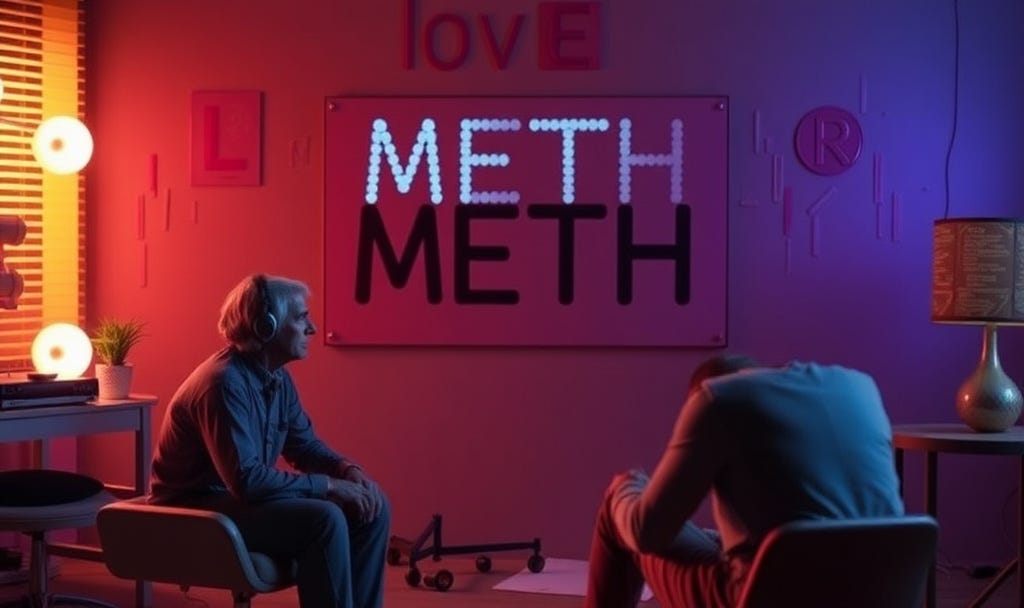
If you’ve been tangled up with meth addiction—or live with someone who has—you already know there’s no sugarcoating this stuff. Meth grabs hold and refuses to let go. So when people start talking about meds that can help with meth addiction, it feels like a lifeline thrown from a speeding boat, but you’re in the water, and you’ve got reasons to be skeptical.
For what it’s worth, meth was my drug of choice. I also have ADHD—so I loved stimulants. Meth was like the cruelest, most intense version of my favorite drug. That’s why talking about ADHD meds like Strattera doesn’t have to be “off” or dismissive—in fact, it’s all about what works for you. Because recovery isn’t one-size-fits-all.
Unlike opioids—where medications like methadone or Suboxone have been helping folks for years—there’s no miracle pill for meth just yet. The research and treatments are still catching up. So, what’s real? What’s hype? And what’s just plain weird? Let me break it down!
The Good: Naltrexone + Bupropion — A Step in the Right Direction
For a long time, recovery from meth defaulted to tough love, therapy, and hoping people could tough it out through the worst. But recently, researchers found something promising: a combo of two meds—naltrexone, which helps block drug cravings, and bupropion, an antidepressant. Together, they help reduce the strong pull meth has on your brain.
That doesn’t mean it’s a cure-all or that you can skip out on therapy or support groups. Addiction is a beast made of many parts. But this combo has been shown to help some people fight off cravings and stick with recovery a little longer than before (NIDA, 2023).
The Not-So-Good: Strattera (Atomoxetine) — ADHD Meds and Why It’s More Complex Than It Seems
Like I said, I’ve been there—meth was my drug of choice, and I have ADHD. So when it comes to meds like Strattera, it’s not about “does it work or not.” It’s about what works for you.
Strattera might help with the foggy brain, attention probs, and memory issues that often stick around after meth use. But it probably won’t stand between you and cravings like some magical force field. And here’s a big one—meds take time. Sometimes 6 to 12 weeks before you start to feel the benefits. So don’t give up after a week or two thinking it’s not working.
The key is to talk openly with your provider, be patient, and remember that recovery meds are just one part of the toolbox (Rabiey et al., 2022).
The Weird and the Risky: Stimulant Medications (Like Adderall) as “Replacement Therapy”?
Yeah, that sounds crazy—and it kind of is. Some folks wonder if taking stimulants like Adderall could help meth addicts by replacing the drug with something “cleaner.” But giving a stimulant to someone addicted to a stimulant is like giving a pyromaniac a lighter and calling it medicine.
There’s some early research and cautious optimism, but mostly it’s too risky and complicated. So don’t believe the hype. If it ever does become a thing, it’ll only be with tight medical oversight and as part of a bigger program (Springer Review, 2020).
Why No FDA-Approved Meds Yet?
You might wonder why you can get medication for opioid addiction but not for meth. Meth essentially rewires multiple parts of your brain—dopamine, serotonin, norepinephrine—all at once, making it a harder target for meds to hit.
It’s also a funding issue. Because opioid addiction has been more visible as a crisis, it’s received more research money. Meth addiction is growing fast, but the science still has some catching up to do.
Trust and Rewards: Why Meds Alone Don’t Work
Here’s the truth no one tells you enough: meds don’t fix addiction on their own. Meth burns through your trust—trust in others, trust in yourself, trust that this time can be different.
Enter the Trust Matrix Model. It’s all about earning your trust one small step at a time. When counselors, doctors, and support people show up honestly and consistently—even when things get messy—you start believing again. And without trust, you won’t stick with any treatment, medication or not.
Then there’s Contingency Management (CM). Sounds fancy, but it’s just rewarding yourself for being clean. Real rewards. Money, vouchers, small gifts. CM taps into your brain’s reward system that meth hijacked, flipping the script.
This approach works. But many programs don’t use CM because it takes money and effort. That needs to change.
Together, trust-building and rewards plus meds give you the best shot at breaking free.
What Can You Do? A Call for You to Demand Better Care
If you’re fighting meth addiction or supporting someone who is, here’s the deal: you have a right to ask for—and expect—comprehensive care. That means meds when useful, solid counseling, trust-building, and reward-based programs.
Don’t be shy about asking questions like:
“What medications do you offer for meth addiction?”
“Do you use contingency management or reward programs here?”
“How do you work to build trust with people in recovery?”
“Can I have help with my mental health and trauma along with addiction treatment?”
Advocate for yourself or your loved one. Treatment centers should offer options beyond just “detox and hope.” If a program resists these modern, evidence-backed approaches, keep looking.
Also, keep in mind recovery is a process, messy and slow. Meds can help with the fog and cravings, but the fight needs community, therapy, and rebuilding trust in everything around you.
Recovery Isn’t Pretty—But Damn, It’s Possible
Meth addiction pulls you into a storm with no weather report—confusing, scary, lonely. There’s no magic pill yet, but hope is building with medication advances and behavioral tools like trust-building and rewards.
If you’re in the trenches—using, supporting, loving—know this: every step toward recovery counts. Even the tiny wins.
So keep pushing, keep asking for the care you deserve, and keep showing up. Because progress isn’t perfection—it’s just moving forward, mile by messy mile.
Remember: You deserve treatment that respects your journey, your pain, and your strength. Talk openly to your provider, give meds time to work (sometimes 6 to 12 weeks!), and don’t settle for half-assed care.
Recovery is messy, ugly, slow—but damn worth it.
Need some real talk, advice on navigating programs, or just someone to say “you’re not alone”? I’m here.
Reach out! Progressisprogressmilormil@gmail.com
Book Personal Coaching sessions with me! http://progressisprogress.setmore.com
Good read 👏🏽